
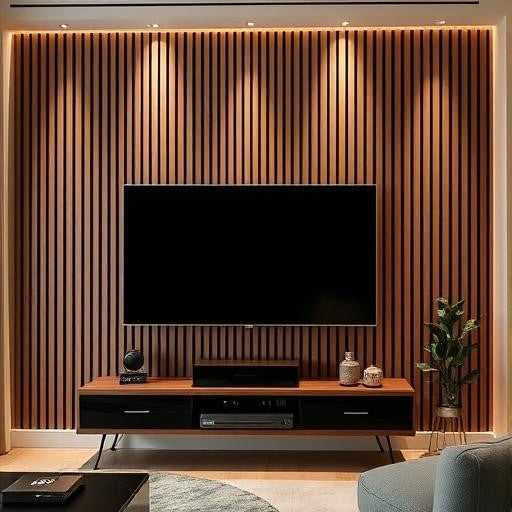
If you design, build, renovate, or develop spaces, you already know that good interiors are not just about what people see. They are about how people feel the moment they step inside. A space can be visually flawless and still feel uncomfortable, tiring, or chaotic. More often than not, sound is the missing piece.
Acoustics shape how a room behaves. They affect conversation, concentration, privacy, and even stress levels. Acoustic panels are no longer specialist products hidden away in studios and offices. They have become essential tools for interior designers, builders, homeowners, renovators, and developers who want their spaces to perform as beautifully as they look.
This article breaks down acoustic panel usage in clear, practical terms, with real examples and professional insight you can actually use.
Why Acoustics Matter in Modern Buildings
Modern interiors rely heavily on hard surfaces such as glass, concrete, porcelain tiles, stone, and plastered walls. These materials reflect sound rather than absorbing it, causing noise to bounce endlessly around a room. Over time, this creates echo, background noise, and a sense of restlessness that people often can’t explain.
Open-plan layouts amplify this effect even further. Without walls to break up sound, voices, footsteps, and appliances travel freely across the space. Acoustic panels help absorb excess sound and bring balance back to modern interiors without undoing the clean, open look people love.
Good acoustics are not a luxury. They are a basic comfort feature, just like lighting, heating, and ventilation. A great choice is our Oak Beige Acoustic Wall Panel, also used for Bedroom Interiors, Living Rooms and commercial spaces such as Shops or Modern Coffee Shops.

What Acoustic Panels Do (Without the Technical Talk)
Acoustic panels absorb sound energy that would otherwise reflect off hard surfaces. When sound hits a panel, it is softened and dispersed instead of being thrown back into the room. This reduces echo and makes the space feel calmer and more controlled.
They improve how voices sound by reducing harsh reflections, which is especially important in rooms used for conversation, meetings, or video calls. Over time, this makes spaces feel less tiring and more pleasant to be in, even during long periods of use.
It’s helpful to think of acoustic panels as cushions for sound. They don’t remove sound completely, but they stop it from bouncing around uncontrollably.
Why Acoustic Panels Should Be Considered Early in Design
When acoustic panels are planned early, they become part of the design rather than an add-on. Designers can integrate them into feature walls, ceilings, or joinery, making them feel intentional and cohesive. This avoids the need for awkward fixes later on.
From a construction and development perspective, early planning reduces post-completion complaints about noise and echo. It also helps future-proof a space, especially in open-plan homes and commercial environments where sound issues tend to appear after occupation.
Early acoustic planning saves time, money, and frustration for everyone involved.
Acoustic Panels as a Design Feature, Not a Fix
Acoustic panels have evolved visually. They are no longer flat, obvious boards that scream “technical solution.” Today’s panels are architectural elements that add texture, warmth, and rhythm to a space. As can be seen below with our Autumn Brown Oak Acoustic Wood Wall Panels, which are a great blend of Wood Look and Sound Proof Panels.

Wood slat acoustic panels, in particular, have become a design staple. They introduce natural materials, create visual depth, and elevate walls without overwhelming the space. Many clients choose them for their appearance first and only later appreciate the acoustic benefit.
This is the ideal outcome: a solution that works without needing to explain itself.
How Different Professionals Use Acoustic Panels
Interior Designers: Shaping Experience
Interior designers use acoustic panels to control how a space feels emotionally. Good acoustics support calm living rooms, focused offices, and intimate hospitality spaces. They allow designers to fine-tune atmosphere in a subtle but powerful way.
When a client says a room feels “too loud” or “not relaxing,” acoustic treatment often provides the answer. Panels help designers deliver spaces that feel considered, comfortable, and complete. This type of Interior can also often been seen in Hotels, allowing for guests to have a comfortable stay and no neigbhbour noise, as can be seen implemented with our Walnut Dark Brown Acoustic Wood Wall Panels.

Builders: Reducing Post-Completion Issues
Builders often encounter noise-related feedback after handover, especially in modern homes with open layouts. Echo and sound travel are common complaints that are difficult to fix structurally once a project is finished.
Installing acoustic panels during the build reduces these issues significantly. It improves the perceived quality of the build and minimises callbacks, while adding a feature that feels premium rather than corrective.
Homeowners: Everyday Comfort
Homeowners may not ask for acoustic panels directly, but they notice the difference immediately once installed. Conversations feel easier, TVs sound clearer, and background noise becomes less intrusive.
Over time, this leads to better relaxation, improved focus, and a calmer home environment. Acoustic comfort is one of those features homeowners miss the most when it’s not there.
Home Renovators: High Impact Without Structural Work
Renovators often remove walls and update finishes, which can unintentionally worsen acoustics. Acoustic panels allow renovators to modernise a space while maintaining comfort.
They offer a high-impact upgrade without the need for structural changes. In many cases, a single acoustic feature wall can transform how a renovated space feels and functions.
Property Developers: Adding Long-Term Value
Developers focus on differentiation, quality, and buyer satisfaction. Acoustic comfort plays a major role in how a property is perceived, especially in apartments and high-density housing.
Well-designed acoustic solutions reduce complaints, improve reviews, and enhance the long-term reputation of a development. Panels in shared spaces, show units, and private interiors all contribute to a more refined living experience.
Where Acoustic Panels Make the Biggest Difference
Living Rooms
Living rooms combine conversation, entertainment, and often open-plan layouts. This mix creates sound reflections that can quickly become overwhelming.
Acoustic panels placed behind TV walls or on main feature walls reduce echo and improve sound clarity. They also act as strong design elements that anchor the room visually. One of our best selling choices is the Noir Black Acoustic Wall Panel, which has an elegant and modern look in any interior space.

Home Offices
Home offices suffer from echo more than most people realise. Hard walls and minimal furnishings cause voices to sound sharp and tiring, especially during video calls.
Acoustic panels behind the desk or on side walls absorb reflections and improve speech clarity. This leads to better focus, less fatigue, and a more professional working environment.
Bedrooms
Bedrooms benefit greatly from acoustic treatment, especially in homes with shared walls or urban noise. Panels behind the headboard or along shared walls help soften external and internal sound.
Fabric or felt-backed panels work particularly well here, adding softness both visually and acoustically. The result is a more restful and protected sleeping space. A great example can be seen below with our Ash Grey Black Acoustic Wall Panel.

Kitchens and Dining Areas
Kitchens and dining areas often contain hard materials that reflect sound aggressively. This makes family meals and social gatherings louder and less comfortable.
Acoustic panels integrated into walls or ceilings help absorb excess noise and create a more relaxed atmosphere. This is especially important in open-plan kitchen-dining-living spaces.
Commercial and Public Spaces

In restaurants, offices, clinics, and hotels, acoustics directly affect behaviour. Noisy spaces cause people to leave sooner, while calm spaces encourage longer stays and better interactions.
Acoustic panels improve speech clarity, reduce stress, and create environments that feel intentional and comfortable. For commercial projects, this translates into better performance and stronger customer satisfaction.
Choosing the Right Acoustic Panel Finish
Wood Slat Acoustic Panels
Wood slat panels offer a balance of warmth and structure. They suit modern, minimalist, and luxury interiors and work well as feature walls.
Their architectural look makes them ideal for spaces where design impact is just as important as acoustic performance.
Fabric or Felt Acoustic Panels
Fabric and felt panels are softer in appearance and highly effective at absorbing sound. They are well suited to offices, bedrooms, clinics, and wellness spaces.
These panels blend into interiors quietly, making them ideal when acoustic performance is needed without strong visual emphasis.
Dark or Black Acoustic Panels
Dark acoustic panels create depth and contrast, particularly in modern or media-focused spaces. They work well in home cinemas, offices, and contemporary interiors.
Used carefully, they add drama while still maintaining a refined, high-end feel.
Neutral and Natural Tones
Neutral panels offer long-term flexibility and timeless appeal. They pair easily with stone, wood, tiles, and other natural materials.
For developers and long-term projects, neutral tones reduce the risk of designs dating quickly.
Placement: Strategy Over Coverage
Effective acoustic treatment is about placement, not quantity. Panels should be installed where sound reflection is strongest, such as large flat walls and areas opposite seating.
Covering every surface is unnecessary and often visually overwhelming. A single, well-placed acoustic feature wall can outperform several scattered panels.
Think of acoustic placement like lighting design: precision matters more than volume.
Acoustic Panels vs Decorative Wall Panels
Decorative wall panels focus on texture and appearance but do not always absorb sound. Acoustic panels are designed to do both.
If sound comfort matters, it’s important to choose panels that offer proven acoustic performance. True acoustic panels improve how a space functions, not just how it looks in photos.
Maintenance and Longevity
Modern acoustic panels are low-maintenance and durable. Most require only occasional dusting and basic care.
Because they serve a functional purpose, they age better than purely decorative features. When chosen well, they remain relevant long after trends change.
Final Thoughts: Designing Spaces That Feel Right
Great interiors engage more than the eye. They support comfort, clarity, and calm in everyday life.
Acoustic panels allow designers, builders, homeowners, renovators, and developers to control the invisible layer of design. They reduce noise stress, improve usability, and elevate the overall experience of a space.
In a world that is increasingly loud, designing for quiet comfort is one of the most valuable choices you can make.
Share:
Finding the Right Taps and Sinks for Your Home